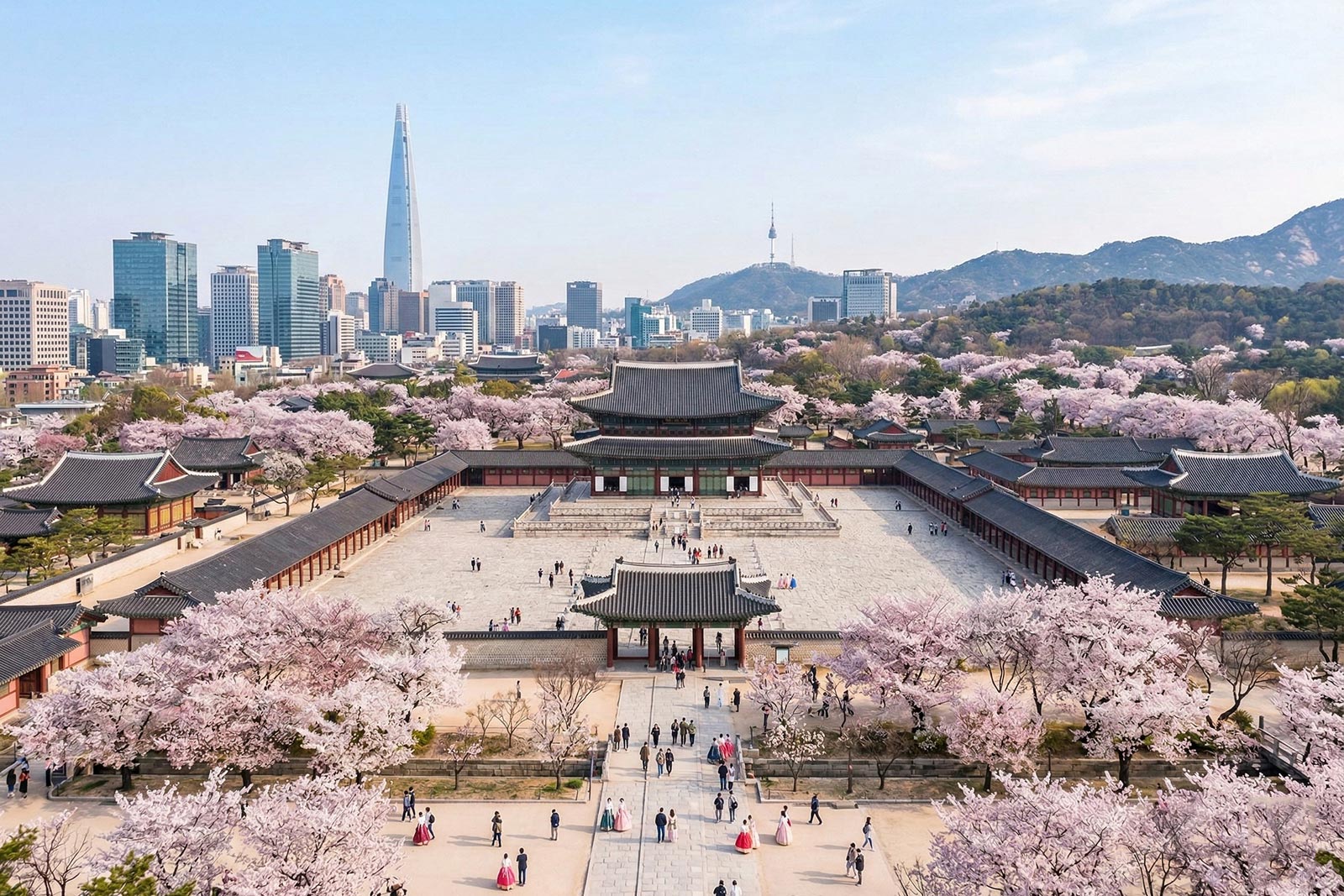



Spring Semester: March (main intake)
Fall Semester: September (secondary intake)
Application deadlines vary by university; early application is strongly advised.
Contact us to check which programs and intakes suit your profile and eligibility.

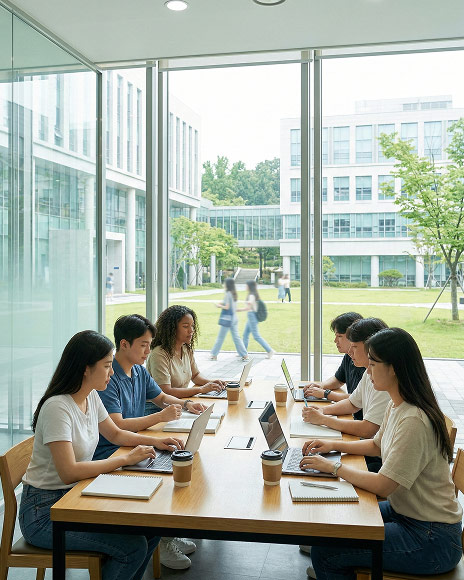
Vibrant student communities, especially in Seoul, Busan, and Daejeon
Safe, modern, and digitally advanced urban environments
Active student clubs, cultural festivals, K-pop and local experiences
Opportunities for part-time work (20 hours/week during semester, full-time during vacations)
Korean language skills improve daily life and employability
A balanced overview of the key advantages and challenges.
Helps students make informed decisions with clarity.
High-quality education with strong research opportunities
English-taught Master’s & PhD programs available
Safe and technologically advanced cities
Abundant scholarship options for top-performing students
Vibrant student community and cultural experiences
Bachelor’s programs mostly in Korean
Cost of living higher in Seoul compared to provincial cities
Limited part-time work for English speakers
Language barrier can affect social and work integration initially
Reality: Bachelor’s programs are mostly in Korean; Master’s and PhD programs are accessible in English.
Reality: Merit-based scholarships are competitive; need-based scholarships are rare.

Reality: While Korea is modern and vibrant, day-to-day student life involves routine, study, and work; the glamorous K-Drama portrayal is exaggerated.
Reality: Admission does not guarantee visa. Complete documentation and proof of finances are mandatory.
We assist students with:
Selecting universities and programs matching their profile
Scholarship & financial guidance
Visa and online visa preparation
Accommodation guidance and pre-departure support
Orientation support upon arrival

Seoul International Student Fair – Mar 10–12
Busan Career & Innovation Expo – Apr 5–7
Daejeon Science & Technology Festival – Apr 15–18
Most English-taught programs require proof of English proficiency (IELTS 6.0–6.5 or TOEFL equivalent).
Yes, up to 20 hours/week during semester, full-time during official vacations.
Rejection does not cancel admission. You can reapply or request deferral; we provide full guidance.
Not mandatory for English-taught programs, but highly recommended for daily life and part- time work.
Rarely. Most are merit-based or tied to programs like KGSP.
Many PhD positions are tuition-free and salaried, especially in research-intensive universities.
English-taught programs are limited; strong academic records and relevant background improve chances.
Spring intake (March): applications open August–November Fall intake (September): applications open February–May