





Web Design Web Development
2025

Explore public universities, English-taught programs, scholarships, and real student life in Hungary.

Your HUNGARY Journey

Degree Types & Language:
Hungary’s public universities offer Bachelor’s, Master’s, and PhD programs.
Many Bachelor’s programs are available in English, and almost all Master’s programs have English-taught options for international students.
Learning basic Hungarian is recommended for daily life, though English is widely used in universities and student communities.

Semester System & Intake:

Two intakes per year:
Fall semester: September / October (main intake)
Spring semester: February / March (limited programs)
Application deadlines: Typically May–July for Fall and October–December for Spring, depending on the program and university. Contact us to check which programs suit your profile and eligibility.
Costs & Living

(01)

Tuition Fees

Public universities in Hungary usually charge €4000–€6,000 per year, depending on the program and university.
Specialized programs like Medicine, Dentistry, or Engineering may charge higher tuition.
(02)

Scholarships:

Most scholarships are merit-based, rewarding academic excellence or research potential.
Pure need-based scholarships are very limited.
Admission and strong academic performance are generally required.
Scholarships may cover tuition and/or living expenses.

(03)

Accommodation:

Student dormitory / shared room: €150–€350/month
Private single room: €250–€500/month
1BHK / studio: €400–€800/month
(04)

Food / Meals:

Cooking at home (3 meals/day): €120–€200/month
Mixed (2 meals at Mensa + 1 meal at home): €90–€150/month
Eating out (3 meals/day): €200–€350/month
(05)

Transport & Miscellaneous:

Student transport card: €15–€30/month
Books, stationery, personal expenses: €50–€100/month


Visa Details:

Key Requirements:

Visa Timeline:

Tip: Contact us to ensure your visa application is prepared accurately and submitted on time.

Student Life in Hungary :

01

Cities like Budapest, Debrecen, and Szeged are vibrant, affordable, and student-friendly
International student communities and university clubs are active
Opportunities for part-time work and internships (up to 24 hours/week during semester for Non-EU students)
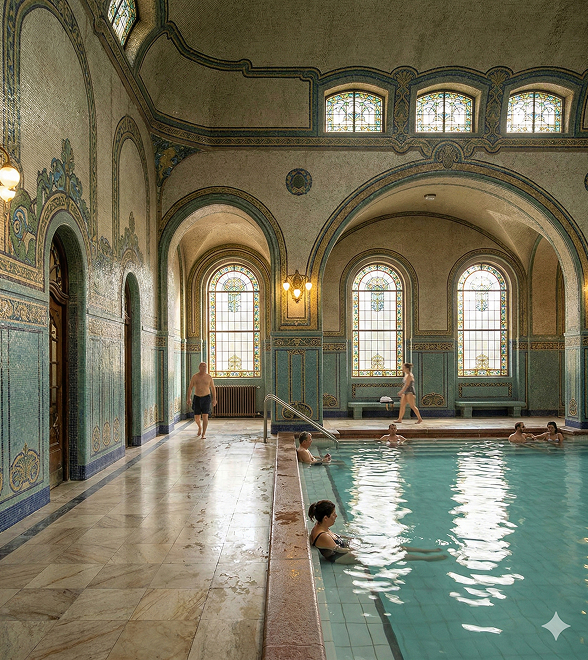
Cultural experiences: music, festivals, historic architecture, and thermal baths

02

Pros & Cons:

A balanced overview of the key advantages and challenges.
Helps students make informed decisions with clarity.

03

Pros:

Affordable tuition and living costs compared to Western Europe Many English-taught programs, especially at the Master’s level
Vibrant student cities with active international communities
Central European location, easy travel to neighboring countries

04

Cons:

Hungarian language is useful for daily life; some Bachelor’s programs are in Hungarian
Scholarships are mostly merit-based; need-based options are limited
Spring intake is limited to few programs
Living costs slightly higher in Budapest compared to smaller cities

04

Cons:

Hungarian language is useful for daily life; some Bachelor’s programs are in Hungarian
Scholarships are mostly merit-based; need-based options are limited
Spring intake is limited to few programs
Living costs slightly higher in Budapest compared to smaller cities

Common Misconceptions about Studying in Hungary
01.

Hungary is a very poor country

Reality: Hungary is a developed Central European country with modern cities, excellent universities, and lower living costs compared to Western Europe. Affordable living makes it student-friendly, not poor.

02.

Scholarships are need-based like Italy

Reality: Most scholarships are merit-based; need-based aid is limited. Admission and good academic records are essential.

03.

Visa is guaranteed once admitted

Reality: Admission does not guarantee a visa. Proof of funds, blocked account (if required), and complete documentation are mandatory.


How to Prepare Before Arrival

(01)

Learn Basic Hungarian Phrases

helpful for daily life outside campus.
(02)

Arrange Accommodation Early

dorms fill quickly.
(03)

Prepare financial and visa documents

scholarship confirmation, proof of funds, passport ready..
(04)

Set Up Health Insurance

mandatory for visa and enrollment.
(05)

Plan Local Transportation

student passes are affordable and widely available.
(06)

Pack Smart

Hungary has cold winters and warm summers.
(07)

Prepare Mentally

you might feel lonely initially if you don’t find someone who speaks your language. Give yourself time to adjust to surroundings and people.

How We Can Help

We assist Non-EU students with:
Selecting universities and programs that match their profile
Scholarships & financial guidance
Visa preparation and blocked account guidance
Accommodation guidance and arrival support

Hungary-Specific Insights

01

Affordable living: Hungary is generally more affordable than Western Europe (Germany, Austria, Italy).
English-taught programs are growing: Especially in Medicine, Engineering, and Business.
Bureaucracy: Universities are organized, but early preparation of documents avoids delays.Regional differences: Budapest is lively but more expensive; smaller cities like Debrecen and Szeged offer quieter, affordable student life.
Student discounts: Public transport, cultural events, and museum tickets often discounted for students.

Upcoming Events in Hungary

Stay updated with fairs, workshops, cultural activities, and student events. Updated monthly.

01

Updated monthly for students already in Hungary.

Budapest Student Fair – Feb 22–24
Debrecen Career & Internship Expo – Mar 12–14
Szeged Cultural Week – Mar 25–30

Frequently asked questions

Not always, but having a valid IELTS or TOEFL score improves admission chances, especially for English-taught programs.

Yes, up to 24 hours/week during semester; full-time during breaks for Non-EU students.

Visa rejection does not cancel your admission. You can reapply or request deferral. We guide you through next steps.

For English-taught programs, no. For Hungarian-taught Bachelor’s programs, yes.

Public universities charge €4000–€6,000/year, depending on the program and university. Some specialized programs may charge higher tuition.

Admission depends on academic profile, grades, and program eligibility. English-taught programs are competitive.

Most scholarships are merit-based. Need-based scholarships are very limited. Admission and strong academic records are required.

Fall semester: May–July; Spring semester: Oct–Dec. Early application is recommended for accommodation and visa.

Copryright All rights received

2026