





Two intakes per year:
Winter semester: October (main intake)
Summer semester: April (limited programs, mainly Master’s)
Application deadlines: Vary by university. Typically June–July for Winter semester,
December–January for Summer semester.
Contact us to check which programs suit your profile and eligibility.
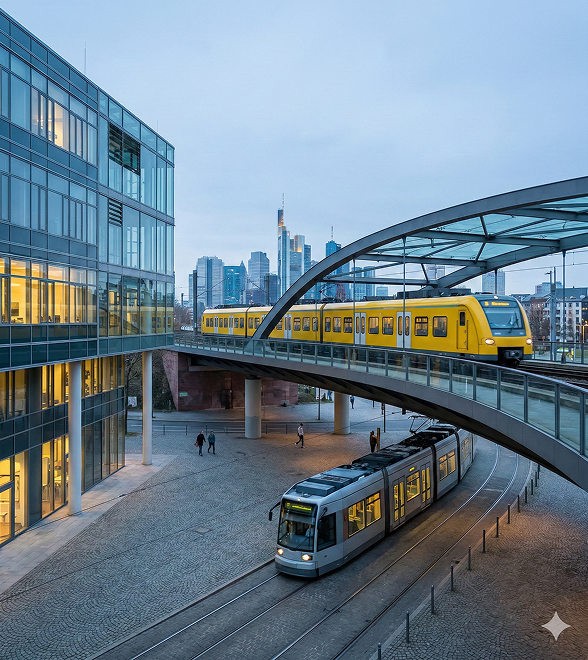
Vibrant international student community
Opportunities for internships, part-time work, and student associations
Cities are well-connected; easy to explore Europe
Rich cultural experiences, music, festivals, and cuisine for all budgets
A balanced overview of the key advantages and challenges.
Helps students make informed decisions with clarity.
Strong reputation for engineering, sciences, and research programs
Mostly tuition-free public universities (some semester fees)
Excellent infrastructure, transport, and student support
Vibrant student life and internships opportunities
English-taught Bachelor’s programs are limited
Competitive admissions for international students
Living costs can be high in major cities (Munich, Berlin)
Need to keep a blocked account.
Reality: Most public universities do not charge tuition, but some programs — especially specialized Master’s or non-EU Bachelor’s programs — may have tuition. All students pay a semester contribution (~€250–€400/semester). Private universities charge tuition.

Reality: Scholarships are separate applications. Even merit/need-based scholarships require admission to a university and strong academic performance.

Reality: Admission is the first requirement, even for need-based scholarships. Strong academic scores improve both admission and scholarship chances.
Reality:
Scholarships are separate applications with their own documentation and timelines. Eligibility
depends on income, academic background, and region.

We assist students with: Selecting universities and programs that match their profile APS and VPD Scholarships & financial guidance Visa and blocked account preparation Accommodation guidance and arrival support

Semester Ticket for Students:
All enrolled students receive a Semester Ticket, providing unlimited local public transport — some tickets even cover regional trains.
Bürokratie (Administrative Process):
German universities are strict about documentation.
Being organized saves time and prevents delays.
English-Taught Master’s Programs Are Competitive:
Many are limited in seats; strong academic profiles are essential.
Regional Differences:
Tuition, cost of living, and lifestyle vary by federal state:
Bavaria & Baden-Württemberg → higher costs, strong job market
North Rhine-Westphalia & Berlin → moderate costs, vibrant student life
Saxony & Thuringia → more affordable, quieter environment
Visa & Blocked Account Timing:
Some embassies have longer processing times; early preparation is critical.
These insights reflect real, on-the-ground experience in Germany, giving you a practical edge before arrival.
Berlin Student Fair – Feb 18–20
Munich Career & Internship Expo – Mar 5–7
Frankfurt Cultural Week – Mar 15–20
Not always, but having a valid IELTS or TOEFL score significantly improves admission chances, especially for English-taught programs. Even when not mandatory, it may be requested during visa processing.
Yes, up to 120 full days or 240 half-days per year for non-EU students.
Visa rejection does not automatically cancel your admission. Students can reapply or request deferral. We guide you through next steps and help address the reasons for rejection.
For Bachelor’s programs, yes. For Master’s programs, it depends on the program.
Most public universities do not charge tuition, but some programs (especially non-EU Bachelor’s or specialized Master’s) may have tuition. All students pay semester contributions. Private universities vary.
Admission to public universities is profile-based. Strong academic scores are essential, especially for English-taught Master’s programs, which are highly competitive.
Most scholarships in Germany are merit-based, rewarding academic excellence, leadership, or research potential. Unlike Italy, pure need-based scholarships are very limited. Admission to a recognized university and a strong academic record are usually required to qualify. Scholarships may cover tuition, semester contributions, and/or living expenses (€6,000– €12,000/year), depending on the program.
No, APS is generally not required for Indian students. Very rarely, some universities or specific programs may request APS-style verification of academic credentials. In most cases, Indian students only need a valid admission letter, proof of financial resources, health insurance, and a passport to apply for a German student visa.
Winter semester applications typically open June–July; Summer semester applications December–January. Early applications are strongly recommended for visa processing and accommodation arrangements.