




Main intake: August/September (all programs) Application deadlines: Usually December–January for main intake. Some programs may extend to February–March. Contact us to check which programs and intakes suit your profile and eligibility.
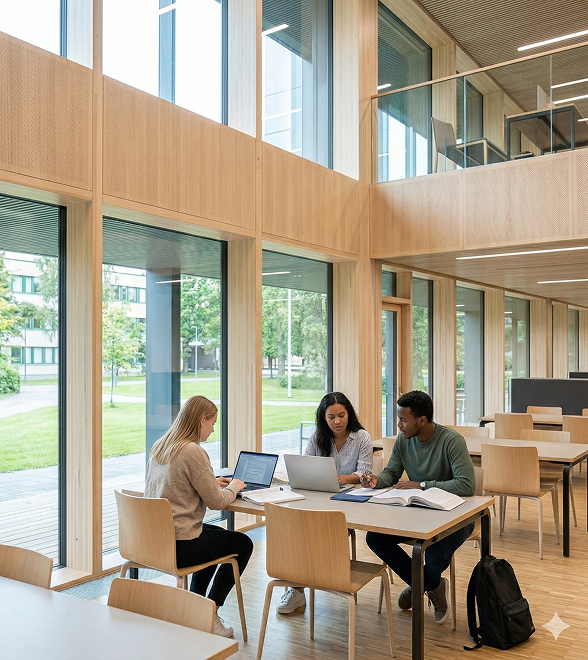
Vibrant student communities, especially in Helsinki, Tampere, and Turku
Safe, organized, and digitally advanced environment
Opportunities for part-time work and internships (30 hours/week average)
Winter activities, cultural festivals, lakes, and innovation hubs
Students are encouraged to learn basic Finnish for better integration and employability
That’s an excellent idea — and honestly, a very smart one. A “Common Misconceptions about Studying in Italy” section will instantly make your page feel experienced, honest, and trustworthy. It also helps reset expectations before students even contact you (which saves you a lot of back-and-forth later).
You’re right to start with the English-speaking misconception. Here’s how I’d suggest structuring it.
A balanced overview of the key advantages and challenges.
Helps students make informed decisions with clarity.
Many English-taught programs for international students High-quality education and globally recognized degrees Safe, peaceful, and student-friendly environment Strong focus on innovation and practical learning Excellent work-life balance and modern infrastructure
High cost of living, especially in major cities Cold and long winters with limited daylight Limited part-time job opportunities without Finnish language Competitive admission process for some programs Higher tuition fees for non-EU students
Reality: Tuition for Bachelor’s & Master’s exists, but student housing, subsidized meals, and transport discounts help manage costs.

Reality: English-taught programs are mostly for Master’s and PhD; Bachelor’s programs are largely in Finnish or Swedish.

Reality: PhD programs are generally tuition-free, and many are funded or salaried.

Reality: Finland has active student communities, cultural festivals, innovation hubs, and vibrant international networks.
We assist Non-EU students with:
Selecting universities and programs that match their profile
Scholarship & financial guidance
Residence permit and document preparation
Accommodation guidance and pre-departure support
Arrival and orientation support
Limited English-Taught Seats: Many programs are competitive; early applications are essential
Scholarship Structure: Mostly merit-based; full scholarships are rare
Financial Transparency: Universities require clean and verifiable financial documentation
Labour Market Reality: English-speaking part-time jobs mainly available in larger cities; Finnish language improves employability
Cultural Adjustment: Reserved social culture; long dark winters; high independence expected
Helsinki Student Orientation Week – Aug 20–27
Tampere Tech & Innovation Expo – Sep 15–18
Turku International Student Festival – Oct 5–10
Most English-taught programs require IELTS 6.0–6.5. Even when not mandatory, a valid English test improves admission chances.
Yes, up to 30 hours per week on average. Full-time during official holidays.
You can reapply or request deferral. We guide students through next steps and help resolve issues.
Not for English-taught programs, but learning basic Finnish improves daily life and job opportunities.
Mostly merit-based. Need-based scholarships are rare. Admission and strong academic performance are usually required.
Yes, tuition-free. Many PhD positions are salaried or funded.
Admission is profile-based. Strong academic records are essential, especially for English- taught Master’s programs.
Applications usually open December–January for main intake (August/September). Early applications are strongly recommended.