



Two intakes per year:
Fall semester: September / October (main intake)
Spring semester: February / March (limited programs)
Application deadlines: Typically May–July for Fall and October–December for Spring,
depending on the program and university.
Contact us to check which programs suit your profile and eligibility.
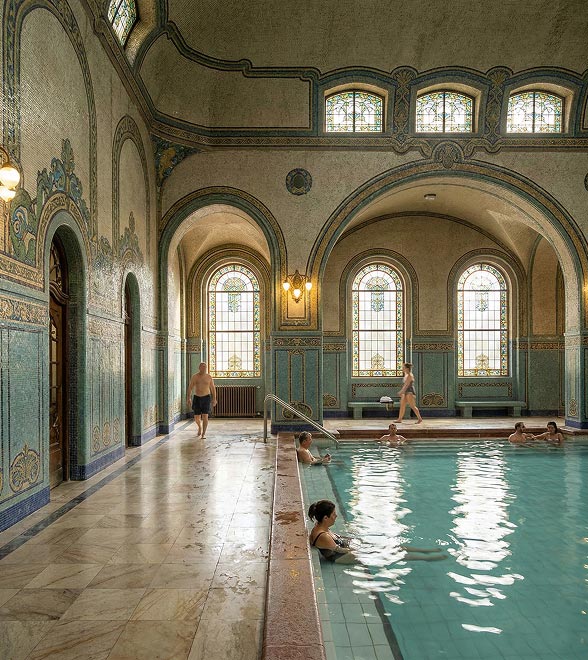
Cities like Budapest, Debrecen, and Szeged are vibrant, affordable, and student-friendly
International student communities and university clubs are active
Opportunities for part-time work and internships (up to 24 hours/week during semester for Non-EU students)
Cultural experiences: music, festivals, historic architecture, and thermal baths
A balanced overview of the key advantages and challenges.
Helps students make informed decisions with clarity.
Affordable tuition and living costs compared to Western Europe Many English-taught programs, especially at the Master’s level
Vibrant student cities with active international communities
Central European location, easy travel to neighboring countries
Hungarian language is useful for daily life; some Bachelor’s programs are in Hungarian
Scholarships are mostly merit-based; need-based options are limited
Spring intake is limited to few programs
Living costs slightly higher in Budapest compared to smaller cities
Hungarian language is useful for daily life; some Bachelor’s programs are in Hungarian
Scholarships are mostly merit-based; need-based options are limited
Spring intake is limited to few programs
Living costs slightly higher in Budapest compared to smaller cities
Reality: Hungary is a developed Central European country with modern cities, excellent universities, and lower living costs compared to Western Europe. Affordable living makes it student-friendly, not poor.

Reality: Most scholarships are merit-based; need-based aid is limited. Admission and good academic records are essential.

Reality: Admission does not guarantee a visa. Proof of funds, blocked account (if required), and complete documentation are mandatory.

We assist Non-EU students with:
Selecting universities and programs that match their profile
Scholarships & financial guidance
Visa preparation and blocked account guidance
Accommodation guidance and arrival support

Affordable living: Hungary is generally more affordable than Western Europe (Germany, Austria, Italy).
English-taught programs are growing: Especially in Medicine, Engineering, and Business.
Bureaucracy: Universities are organized, but early preparation of documents avoids delays.Regional differences: Budapest is lively but more expensive; smaller cities like Debrecen and Szeged offer quieter, affordable student life.
Student discounts: Public transport, cultural events, and museum tickets often discounted for students.
Budapest Student Fair – Feb 22–24
Debrecen Career & Internship Expo – Mar 12–14
Szeged Cultural Week – Mar 25–30
Not always, but having a valid IELTS or TOEFL score improves admission chances, especially for English-taught programs.
Yes, up to 24 hours/week during semester; full-time during breaks for Non-EU students.
Visa rejection does not cancel your admission. You can reapply or request deferral. We guide you through next steps.
For English-taught programs, no. For Hungarian-taught Bachelor’s programs, yes.
Public universities charge €4000–€6,000/year, depending on the program and university. Some specialized programs may charge higher tuition.
Admission depends on academic profile, grades, and program eligibility. English-taught programs are competitive.
Most scholarships are merit-based. Need-based scholarships are very limited. Admission and strong academic records are required.
Fall semester: May–July; Spring semester: Oct–Dec. Early application is recommended for accommodation and visa.